

Scottsdale’s extreme heat and dry desert air can quietly disrupt women’s hormones without showing obvious signs at first. Many women feel tired, irritable, or out of sync and never connect those symptoms to the environment they live in every day. Heat, dehydration, and constant sun exposure place extra stress on the body, and that stress often shows up through cortisol shifts, thyroid slowdown, or changes in estrogen and progesterone balance.
Many of these patterns fall under what people describe as hormone imbalances in Scottsdale women.
Environmental hormonal stress is real here. Your body works harder to stay cool, hold enough hydration, and regulate blood sugar in a climate that pushes those systems to their limits. Over time, that strain can affect mood, energy, metabolism, and cycle regularity in ways that feel confusing if you’re not looking at the root cause.
Dr. Mary Geyer uses an integrative approach that looks at your symptoms through the lens of lifestyle, climate, and physiology. She connects how your daily environment influences the hormones that guide your energy, weight, sleep, and overall well-being. That clarity helps women understand what’s actually happening in their bodies and what needs to shift.
Let’s explore how your environment may be affecting your hormones.
How the Scottsdale Climate Impacts Women’s Hormones
Extreme Heat and Cortisol
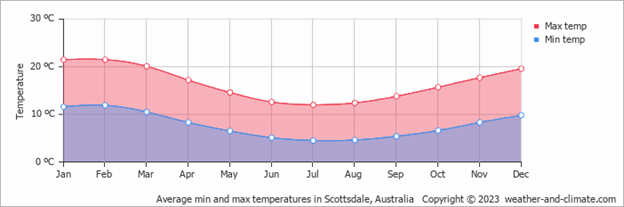
Scottsdale’s heat puts steady pressure on the body, and that pressure can raise cortisol throughout the day (Source). When cortisol stays high, women often notice disrupted sleep, increased anxiety, stubborn weight changes, and unpredictable energy swings. The body sees heat as a form of stress, and that stress shows up in the hormones that manage your daily rhythm.
Low Humidity and Dehydration
Dry air pulls moisture from your body faster than you realize. Even mild dehydration affects thyroid function, adrenal balance, and overall energy. Many women feel sluggish, foggy, or wired at the wrong times because their thyroid and adrenal glands work harder in this climate.
High Sun Exposure
Scottsdale’s sun affects vitamin D levels, and vitamin D plays a direct role in regulating estrogen and progesterone. Fluctuations here can influence cycle regularity, PMS severity, mood changes, and even fertility patterns. Women who spend long hours outdoors often see these shifts without knowing why.
Lifestyle Shifts in Scottsdale
The local lifestyle adds another layer. High activity levels, outdoor workouts, long commutes, and increased exposure to dust and pollutants all create extra strain on the body. That strain can push cortisol higher, influence blood sugar control, and amplify existing hormone imbalances.
The Most Common Hidden Hormone Imbalances in Scottsdale Women
Cortisol Dysregulation
Cortisol becomes one of the first hormones to shift in Scottsdale because heat exposure triggers the body’s stress response daily. When cortisol rises too often, women experience mid-day energy crashes, difficulty winding down at night, and anxiety that doesn’t match their routine. This pattern also disrupts blood sugar and sleep, which makes fatigue even harder to manage.
Thyroid Imbalance
The combination of heat and low humidity increases fluid loss, and dehydration slows thyroid hormone conversion. Women may notice that they overheat easily, struggle with steady energy, or gain weight even with regular activity. These symptoms appear because the thyroid can’t regulate metabolism efficiently when the body is constantly trying to maintain hydration and temperature balance.
Estrogen Dominance or Deficiency
Estrogen levels shift when cortisol is consistently elevated, when vitamin D fluctuates from sun exposure, or when detox pathways slow from dehydration. Women often see stronger PMS symptoms, irregular cycles, breast tenderness, or mood instability. These signs reflect how sensitive estrogen is to environmental stressors common in Scottsdale.
Progesterone Deficiency
Progesterone drops quickly in stress-heavy environments, and chronic heat stress adds to that load. Low progesterone leads to restless sleep, shorter cycles, or a sense of emotional instability before a period. Many women discover this imbalance only after tracking symptoms over several cycles and comparing them to lifestyle patterns.
Insulin Resistance
Insulin becomes less effective when cortisol spikes and dehydration interferes with glucose regulation. Scottsdale women may notice more afternoon fatigue, increased cravings, or difficulty losing weight around the midsection. These early signs matter because insulin resistance influences almost every other hormone, including cortisol, thyroid, estrogen, and progesterone.
Symptoms Women Often Overlook
Many women in Scottsdale experience afternoon crashes because cortisol and blood sugar fluctuate more aggressively in hot, dry conditions. This drop in energy often points to adrenal strain or early insulin resistance.
Poor sleep shows up when cortisol stays elevated at night or when progesterone sits too low. Women may fall asleep easily but wake up restless, or struggle to stay asleep through the early morning hours.
Anxiety or overwhelm often reflects chronic cortisol elevation. The body treats daily heat exposure as ongoing stress, and that constant activation can push the nervous system into overdrive.
Skin changes, including dryness or breakouts, can appear when hydration drops or when estrogen and progesterone fall out of balance. The skin responds quickly to hormonal shifts, which makes it an early indicator.
Cycle irregularity often signals deeper imbalances involving estrogen, progesterone, thyroid health, or stress hormones. Scottsdale’s climate can amplify these shifts because of dehydration and cortisol strain.
Weight gain around the midsection is a common sign of cortisol and insulin dysregulation. Heat stress and unstable blood sugar make it harder for the body to manage fat storage.
Low libido can reflect low progesterone, altered estrogen levels, or thyroid slowdown. These hormones directly influence desire, mood, and overall vitality.
Alt text: Diagram of the cortisol stress response and its effects on the body.
Brain fog often results from cortisol swings, low thyroid hormone conversion, or blood sugar instability. Women notice this most during busy afternoons or after poor sleep.
Salt or sugar cravings often show up when cortisol and insulin are out of sync or when electrolytes drop from constant heat exposure. These cravings are the body asking for stability, not a lack of willpower.
If you want a quick consult to see whether your symptoms actually tie back to Scottsdale’s climate, schedule a short hormone review and we’ll sort that out with you.
Why These Imbalances Are More Common in Scottsdale
Chronic Dehydration
Women in Scottsdale lose water faster than they replace it, and even mild dehydration interferes with thyroid activity, adrenal balance, and blood sugar regulation. When these systems struggle, symptoms like fatigue, irritability, and brain fog become much more noticeable.
Excessive Sweating and Mineral Loss
Sweating in extreme heat pulls out key minerals that the body needs to stabilize cortisol and maintain steady energy. Low magnesium or sodium can trigger headaches, anxiety, muscle tension, and mid-day crashes.
Long Summers and Prolonged Heat Exposure
Months of high temperatures force the body to work harder to regulate internal temperature. That extra work elevates cortisol and strains progesterone, which affects sleep, mood, and cycle regularity. This extended heat exposure is one of the biggest reasons women notice stronger hormonal symptoms here compared to milder regions.
Outdoor Lifestyle and Higher Stress Load
Scottsdale’s active outdoor culture increases physical stress on the body, especially when hydration and recovery don’t keep up. Activities like hiking, running, and long outdoor days raise cortisol and can push insulin out of balance. This combination makes hormonal symptoms more intense.
UV Exposure Altering Hormone Regulation
High UV exposure affects vitamin D levels, and vitamin D influences estrogen, progesterone, and thyroid function. Fluctuations here can create mood shifts, PMS changes, and irregular cycles. Women who spend a lot of time in the sun often feel these effects without recognizing the connection.
Busy, High-Performance Local Demographic
Many Scottsdale women balance demanding careers, family responsibilities, and active lifestyles. When a fast-paced routine mixes with environmental stress, the hormonal system struggles to keep up. This combination explains why symptoms appear faster and feel stronger in this region.
How Dr. Mary Geyer Identifies Hormone Imbalances
Full Hormone Panel
Dr. Mary runs a comprehensive hormone panel that measures cortisol, estrogen, progesterone, thyroid markers, and insulin. This panel shows which systems are under strain and how those imbalances connect to symptoms like fatigue, cycle changes, or mood shifts. It gives a clear starting point for understanding what your body needs.
DUTCH Test for Adrenal and Sex Hormones
She uses the DUTCH test to map out cortisol patterns and estrogen metabolism in detail. This test reveals whether your adrenals are overworking in the Scottsdale heat or if your body struggles to produce or process key hormones. It gives a deeper view of stress response and hormone activity that standard labs miss.
Advanced Thyroid Testing
Dr. Mary checks free T3, free T4, reverse T3, and antibodies so she can see how well your thyroid converts hormones and whether inflammation is slowing you down. Many women feel exhausted or foggy even with “normal” TSH, so this advanced panel helps pinpoint the real issue.
Vitamin D and Micronutrient Analysis
She evaluates vitamin D, minerals, and electrolytes because Scottsdale’s climate affects all three. Low vitamin D or depleted minerals can disrupt energy, worsen PMS, or amplify anxiety. These markers often explain symptoms women assume are unrelated to hormones.
Lifestyle and Environmental Assessment
Dr. Mary reviews hydration habits, sun exposure, sleep, activity levels, and daily stress. These factors influence hormones as much as lab numbers do, especially in a climate that pushes the body harder. This assessment helps identify triggers that worsen imbalances.
Root-Cause Focused Review
She combines lab findings with lifestyle patterns to pinpoint the root cause of each imbalance. This approach helps women understand why their symptoms started and what needs to change for long-term improvement.
Integrative and Holistic Solutions
Hydration and Electrolyte Optimization
Dr. Mary creates hydration plans that match your actual loss patterns rather than general recommendations. She identifies which electrolytes drop fastest in Scottsdale’s heat and replaces them in the correct ratios. This improves hormone signaling, stabilizes energy, and supports circulation during long periods outdoors.
Adrenal Support Protocols
She analyzes your cortisol curve and builds a plan that helps your adrenal system recover instead of running in a stressed, reactive state. She uses targeted adaptogens, recovery windows, and lifestyle adjustments that bring your stress response back under control. These changes improve mood steadiness and reduce burnout.
Hormone Balancing Strategies
When specific hormones sit out of range, Dr. Mary uses precise bioidentical therapy to bring levels back into a healthy rhythm. She adjusts doses gradually to avoid swings and monitors how your body adapts. This produces more predictable cycles, steadier emotions, and better daily function.
Thyroid Support
She supports thyroid efficiency with nutrient corrections, targeted supplementation, and medication if your labs show reduced conversion. This approach improves metabolic pace, supports weight stability, and sharpens mental clarity. It also helps your body tolerate the heat more effectively.
Sunlight and Vitamin D Regulation
Dr. Mary evaluates how your body uses vitamin D and builds a sunlight schedule that maintains optimal levels without causing hormonal disruption. She adjusts your plan seasonally, since Scottsdale’s UV exposure shifts dramatically across the year. This keeps your mood, cycle, and immune response more consistent.
Nutrition for Hot Climates
She designs nutrition strategies that help your body perform in desert conditions. These meals focus on hydration-supportive ingredients, anti-inflammatory foods, and mineral-rich choices that protect hormonal balance. This improves blood sugar control, reduces cravings, and strengthens overall resilience.
You can explore these approaches through our integrative hormone services, where each plan supports long-term balance in Scottsdale’s demanding climate.
Why Work With Dr. Mary Geyer
Dr. Mary specializes in women’s hormone and adrenal health, so she understands the patterns that often get missed in general care. She recognizes how quickly symptoms escalate in a climate like Scottsdale and knows how to interpret those changes with precision.
She uses a whole-person, root-cause approach that looks beyond individual symptoms. Dr. Mary studies how your environment, metabolism, stress load, and lifestyle interact, then identifies the exact factors that are disrupting your hormone balance. This gives you answers that connect directly to your experience.
Her treatment plans stay fully personalized. She adjusts protocols based on your lab results, daily routine, cycle patterns, and long-term goals. This level of customization helps your body respond more effectively avoiding guesswork.
Dr. Geyer relies on advanced diagnostics to uncover issues that standard testing often overlooks. These tools show how your hormones behave throughout the day, how your body processes them, and where your system needs targeted support.
She also mixes integrative and evidence-based solutions, giving you a treatment path that supports your body naturally while staying grounded in clinical research. This combination helps women achieve steady, lasting improvement instead of temporary relief.
FAQs
How does Scottsdale’s heat contribute to hormone imbalance in women?
Scottsdale’s heat places extra stress on the body, and that stress activates cortisol throughout the day. The heat also increases fluid loss, which interferes with thyroid activity and blood sugar control. When these systems work harder, women experience stronger hormonal shifts and symptoms they wouldn’t see as often in cooler climates.
What hormone tests does Dr. Mary Geyer recommend for women with fatigue or mood changes?
Dr. Geyer uses a full hormone panel that measures cortisol, estrogen, progesterone, thyroid markers, and insulin. She often adds the DUTCH test to evaluate how these hormones behave across a full day. This combination shows the patterns behind fatigue, mood changes, and energy instability.
Can dehydration really affect cortisol or thyroid function?
Yes. Dehydration forces the body to conserve energy, and that slows thyroid hormone conversion. It also triggers a cortisol response because the body views low fluid levels as a form of stress. Women often feel more exhausted or anxious on dehydrated days for this reason.
What are the most common hormone symptoms Scottsdale women ignore?
Many women overlook afternoon fatigue, irritability, restless sleep, cravings, and cycle changes because they feel subtle at first. These symptoms often signal early adrenal strain, thyroid slowdown, or estrogen and progesterone shifts.
Does Dr. Geyer offers personalized hormone treatment plans?
Yes. Dr. Geyer builds each plan around your lab results, symptoms, daily routine, and environmental triggers. She adjusts treatment as your hormones shift, which helps you see gradual and reliable improvement instead of temporary relief.
Conclusion
Scottsdale’s climate creates a unique hormonal burden for women because the heat, low humidity, and intense sun place daily stress on systems that regulate energy, mood, and metabolism. These environmental pressures make imbalances more common and often more noticeable than in other regions.
Personalized diagnostics and integrative care give women a precise understanding of what their bodies are responding to. Dr. Geyer connects your lab results with your daily patterns and identifies the exact imbalances driving your symptoms. She uses targeted support to help your body regain stability, and those improvements build consistently over time.
Struggling with fatigue, mood changes, or hormonal symptoms? Schedule a comprehensive hormone evaluation with Dr. Mary Geyer and restore your balance naturally.
